Crafting Souls from Ink: How Characters & Their Development Drive Compelling Storytelling
Ever noticed how some stories stick with you long after the final page is turned or the credits roll? It’s rarely about the plot alone. More often, it’s the people—the heroes, villains, and everyone in between—who etch themselves into your memory. This is the enduring power of Characters & Their Development, the beating heart of any truly compelling narrative. Without believable, evolving characters, even the most intricate plot can feel hollow. They are the lens through which we experience the world of your story, the emotional anchors that pull us in, and the driving force behind every twist and turn.
We aren't just here to talk about what character development is, but how to master it, transforming mere names on a page into living, breathing entities that resonate deeply with your audience.
At a Glance: Crafting Unforgettable Characters
- Character development is the fundamental process: It's about creating relatable, engaging characters who evolve, drive the plot, and forge an emotional connection.
- The Character Arc is non-negotiable: Whether positive growth, tragic decline, or steadfast resolve, every significant character should undergo a journey of transformation or affirmation.
- Secondary characters aren't just sidekicks: They enrich the world, challenge protagonists, and add crucial layers to the narrative.
- Believability is paramount: Characters must feel real and consistent, grounded in both relatable humanity and unique individuality.
- Go beyond the surface: Dive into wants, needs, flaws, and motivations to build multidimensional personas that leap off the page.
- Research is your secret weapon: Authenticity in background, trade, and culture prevents stereotypes and adds profound depth.
The Unseen Hand: Why Characters Matter More Than You Think
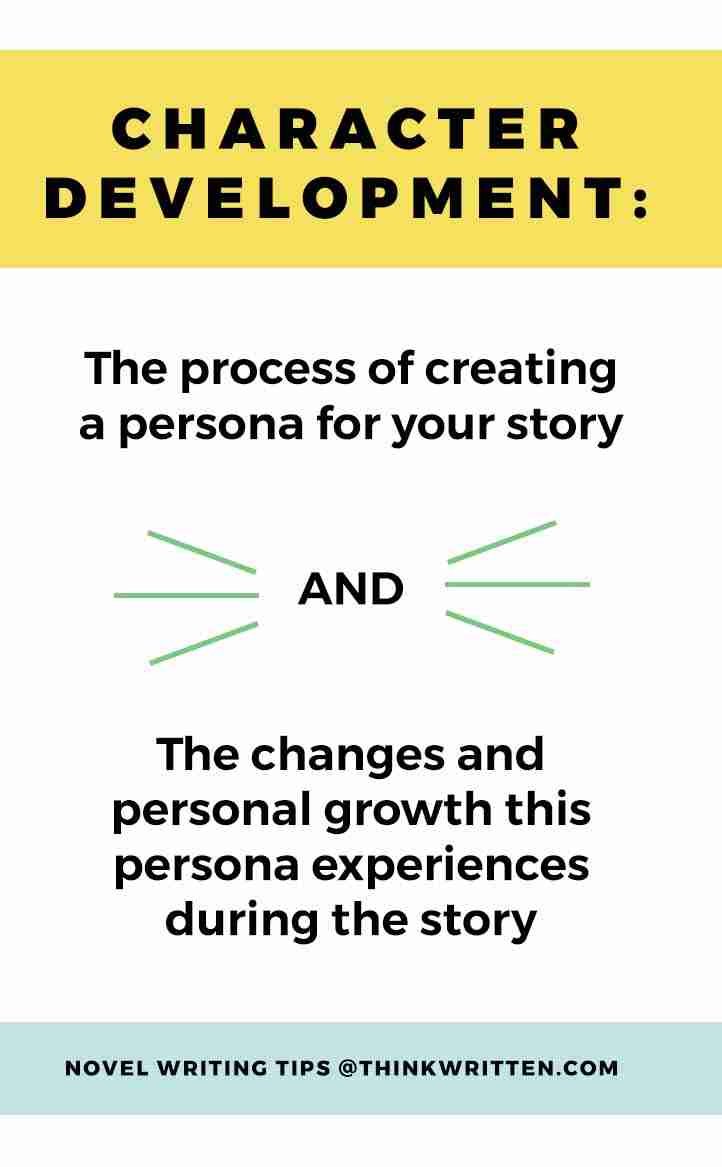
Character development isn't just a literary device; it's the very engine of empathy and engagement. It’s the process of taking a nascent idea for a person and breathing life into them, making them feel real, flawed, and utterly compelling. When you get it right, your audience doesn't just read or watch a story; they live it alongside your characters, feeling their joys, their struggles, and their eventual transformations.
At its core, great character development focuses on evolution and depth. It ensures your characters aren't static props but dynamic individuals influenced by events, interactions, and their own inner struggles. This continuous process drives the plot forward, gives meaning to challenges, and allows readers and viewers to forge a profound, lasting connection.
Think of it as charting a person's life journey within the confines of your story, exploring:
- Their Transformation (Character Arc): The emotional, moral, or even physical journey they embark on.
- Their Supporting Cast (Secondary Characters): The essential roles that enrich their world without overshadowing them.
- Their Authenticity (Believability): The quality that makes them resonate with audiences on a realistic and relatable level.
Mastering these elements is how stories transcend entertainment and become truly memorable experiences.
The Nine Layers: Steps to Developing a Character That Pops
Crafting a character isn't a single stroke; it's a careful layering process, building from foundational elements to intricate details. Here are nine essential steps that will help you sculpt a character that feels fully formed:
- Craft a Compelling Background and History: No one appears out of thin air. A well-developed backstory explains why your character is the way they are. What experiences shaped their views? What traumas or triumphs defined their past? Harry Potter's orphaned childhood and the shadow of Voldemort, for example, aren't just facts; they are the bedrock of his courage and his quest. This history informs current motivations and behaviors, providing a rich internal logic.
- Define Their Personality Traits and Characteristics: This is where you explore the attributes that define their behavior across various situations. Is your character brave like Katniss Everdeen, always putting others first? Or are they a genius with a peculiar social ineptitude, like Sherlock Holmes? These traits aren't just labels; they're consistent patterns that make your character predictable yet fascinating.
- Unravel Their Motivations and Desires: What do your characters truly want? This is the fuel for their journey. Jay Gatsby's relentless pursuit of Daisy Buchanan isn't just a superficial crush; it's a deep-seated desire to recapture a lost past and redefine his identity. Understanding these drivers—both conscious and subconscious—is crucial for making their actions meaningful.
- Embrace Their Flaws and Vulnerabilities: Perfection is boring. Imperfections make characters human and relatable. Atticus Finch, for all his moral rectitude, struggles with the limitations of justice in a prejudiced society. Tony Stark's genius is often balanced by his arrogance. These flaws create internal conflict and provide opportunities for growth, making characters feel authentic.
- Develop Their Relationships and Interactions: How your character behaves with others reveals immense depth. Their dynamics with friends, family, rivals, and lovers not only define their personality but also contribute significantly to their narrative growth. Is your character fiercely loyal to their friends, or do they keep everyone at arm's length? These relationships are often the crucible where a character is tested and changed.
- Focus on Internal Conflicts and Struggles: The battles within are often more compelling than external ones. Moral dilemmas, personal fears, self-doubt, and conflicting desires enrich a character's development immeasurably. These internal struggles show their humanity and make their triumphs more resonant.
- Document Their Evolution and Growth (The Arc): This is perhaps the most critical step. Characters should not end where they began. Their experiences, challenges, and mistakes must lead to transformation. This evolution can be subtle or dramatic, but it must be earned and logical, showing the profound impact of their journey.
- Integrate Cultural and Social Influences: Your characters don't exist in a vacuum. How does their cultural background, social class, historical era, or even their local community shape their views, behaviors, and opportunities? Integrating these elements adds layers of realism and authenticity, making them products of their environment.
- Describe Their Physical Characteristics and Mannerisms: While often overlooked, physical attributes and unique mannerisms contribute significantly to a character's persona and how the audience perceives them. Does your character fidget when nervous? Do they have a distinctive walk or a particular way of speaking? These small details "show, don't tell" their personality and make them instantly recognizable. Consider the unique visual style of Speed Racer The Next Generation Cartoon characters; their physical designs immediately convey personality and role.
The Journey Within: Understanding Character Arcs
A character arc isn't just a nice-to-have; it's the narrative backbone that gives a character's journey meaning and adds vital depth and realism. It’s the transformation they undergo from the beginning of a story to its end, driven by their experiences and choices.
Types of Character Arcs
Not all transformations are the same. Understanding the different types helps you choose the right journey for your character:
- Positive Arc (Transformation/Growth): This is perhaps the most common and satisfying arc. The character starts with a significant flaw or misconception and, through overcoming obstacles, grows positively.
- Example: Ebenezer Scrooge transforms from a miserly, cold-hearted man to a generous and compassionate one, learning the true spirit of Christmas.
- Negative Arc (Downfall/Tragedy): In this arc, the character declines. Their flaws, poor choices, or overwhelming circumstances lead them to a worse state, often tragic.
- Example: Anakin Skywalker's journey from a heroic Jedi Knight to the villainous Darth Vader, driven by fear, attachment, and the lure of power.
- Flat Arc (Steadfast Character): Don't mistake "flat" for uninteresting. A flat arc means the character remains fundamentally unchanged, but their core beliefs are tested and affirmed. They often act as catalysts for change in others.
- Example: Atticus Finch in To Kill a Mockingbird. He begins and ends with unwavering moral integrity, serving as a beacon of justice in a prejudiced world. His steadfastness highlights the need for growth in those around him.
Crafting a Compelling Character Arc
To ensure your character's journey resonates, follow these guidelines:
- Establish Clear Stakes and Goals: What does your character want at the outset, and what are the consequences if they fail? This provides the initial momentum for their journey.
- Show, Don't Tell, Change and Growth: Don't just declare your character has changed. Show it through their actions, decisions, dialogue, and reactions to new situations.
- Ensure a Satisfying and Impactful Resolution: The arc should conclude in a way that feels earned, whether it's a triumphant new beginning, a poignant loss, or a quiet affirmation of self.
Powerful Examples:
- Elizabeth Bennet in Pride and Prejudice undergoes a brilliant positive arc, moving past her initial prejudices and learning humility.
- Walter White in Breaking Bad embodies a gripping negative arc, descending from an emasculated high school teacher to a ruthless drug lord.
The Ensemble Cast: The Power of Secondary Characters
While protagonists typically command the spotlight, secondary characters are far more than mere set dressing. They are essential threads that weave together the rich tapestry of your narrative, enriching the storytelling in myriad ways.
Their Indispensable Roles
- Catalysts for Primary Character Development: Often, a secondary character's advice, challenge, or even betrayal forces the main character to confront their flaws or make difficult choices.
- Providers of Plot Exposition: They can subtly or directly deliver crucial information to the audience or the protagonist, moving the story forward.
- Offer Alternate Perspectives: A secondary character's differing worldview can highlight themes, challenge assumptions, or add moral complexity to a situation.
- Adding Thematic Layers: They can embody specific themes or subplots, deepening the overall message of the story.
The key difference between primary and secondary characters lies in their centrality to the plot. Primary characters are the engine; secondary characters are the vital supporting systems. They move the main progression forward but with less screen time and less personal transformation, though their impact is no less significant.
Building Depth in Your Supporting Players
To ensure your secondary characters are memorable and effective:
- Give Them Their Own Goals and Motivations: Even if these goals aren't central to the main plot, they make the character feel real. Hermione Granger, for example, is driven by a profound love of knowledge and justice, which frequently aids Harry and Ron.
- Demonstrate Interactions with Main Characters: Show how they influence and are influenced by the protagonist. These dynamics reveal personality and advance the story.
- Ensure Contribution to Plot and Themes: Every secondary character should serve a purpose, however small, that propels the story or reinforces its central ideas.
- Balance Their Development: Give them enough depth to be believable, but not so much that they overshadow your main characters. Samwise Gamgee, Frodo's loyal companion, has his own fears and strengths but never pulls focus from Frodo's central quest. Similarly, Han Solo's roguish charm and eventual loyalty greatly support Luke Skywalker's hero journey.
The Mirror of Humanity: Creating Believable Characters
Believable characters are the ones who feel real—not just as fictional constructs, but as people we could meet, understand, and empathize with. They possess qualities that resonate with audiences on a realistic and relatable level, making the fantastic feel grounded.
Techniques to Create Realistic Characters
- Draw from Real-World Inspiration: The world around you is a goldmine. Observe people's behaviors, speech patterns, quirks, and interactions. A unique mannerism or a particular turn of phrase can instantly imbue a character with life.
- Maintain Consistency: This is crucial. Your character's actions and dialogue must consistently align with their established personality, background, and the situation they're in. While characters can surprise us, these surprises should feel earned, not random.
- Balance Relatable Flaws and Strengths: As mentioned before, perfection is dull. Characters with a nuanced mix of imperfections and admirable qualities are far more compelling. Atticus Finch's steadfast ideals are balanced by the weight of prejudice; Tony Stark's genius is tempered by his arrogance and past trauma. This balance creates depth and realism.
- Avoid Stereotypes and Clichés: Resist the urge to fall back on overused archetypes. Strive to create unique, multidimensional characters that defy simple categorization. Dig deeper than the first idea; what's the unexpected twist? What makes this character different from every other "wise old mentor" or "damsel in distress"?
- Leverage Research for Authenticity: Especially when creating characters from diverse backgrounds, cultures, or professions, thorough research is indispensable. Understand their lifestyles, beliefs, daily routines, and vernacular. This ensures accuracy and prevents misrepresentation. Sensitivity readers can be invaluable in ensuring an authentic and respectful portrayal of diverse characters.
The Fan-Favorite Formula: 5 Steps to Enduring Characters
Beyond mere believability, some characters capture hearts and imaginations, becoming fan favorites. This often comes down to a deliberate crafting of their internal and external worlds.
- Give Them Wants and Needs: This is the engine of desire and growth.
- Want: What the character consciously believes will make them happy. This is often an external goal that drives their journey.
- Need: A deeper, fundamental truth or internal change the character must learn or undergo. This is often revealed when their "want" is fueled by a lie or misunderstanding.
- Example: Joy in Inside Out wants Riley to always be happy, but she needs to realize that all emotions, including sadness, are important for a balanced life. Jay Gatsby wants Daisy, but he needs to learn that happiness cannot be bought or recaptured from the past.
- Identify Their Strengths and Flaws: The intrigue of a character often stems from how they respond to conflict, especially when their traits are tested. A nuanced mix of positive and negative traits makes them deeply relatable.
- Strengths: Courage, intelligence, resilience, empathy, loyalty.
- Flaws: Bitterness, arrogance, greed, self-doubt, impulsiveness.
- Example: Woody from Toy Story is charismatic and fiercely loyal, but also vain, petty, and jealous. These flaws create internal conflict and make his loyalty truly earned. Challenges test these traits, creating the risk of failure that makes heroes like Frodo or Harry Potter so compelling.
- Sketch Out Their Antagonists: A hero is often defined by their opponent. The hero-opponent relationship is crucial, as the antagonist typically attacks the hero's greatest weakness, forcing them to grow or face destruction.
- Antagonists aren't just characters; they can be nature, technology, society, or even the hero's own inner demons.
- Example: Voldemort isn't just a villain; he's the embodiment of Harry Potter's greatest fear and the source of his past trauma. Secondary characters, whether allies or enemies, also serve this purpose, highlighting hero qualities or forcing confrontation with central moral problems (e.g., Django vs. Stephen in Django Unchained).
- Develop Their Look and Behavior: External characteristics and mannerisms define a character in the audience's mind.
- Physical Features: How do these influence how others respond to them? Consider contradictions, like a kind heart hidden behind a gruff exterior.
- Mannerisms: These "show, don't tell" emotions and personality. Nynaeve al'Meara tugging her braid in The Wheel of Time or Draco Malfoy's characteristic sneer immediately convey their inner state without a single word.
- Research Their Trade and Culture: Imagination must be supported by detailed research to get the specifics right. This includes professional routines, slang, ethnicity, social class, political/spiritual views, education, and interests.
- Authenticity and nuance are key. This research prevents characters from feeling generic or stereotypical. As mentioned, sensitivity readers are invaluable for ensuring accurate and respectful portrayals, especially for characters from backgrounds different from your own.
Elevating Your Game: Advanced Character Development Techniques
Once you've mastered the fundamentals, you can layer in more sophisticated techniques to truly bring your characters to life.
- Using Psychological Theories and Models: Dive into the human psyche. Employ principles like Maslow's Hierarchy of Needs to understand what truly motivates a character at different stages, or Jungian archetypes to give them universal resonance while still maintaining individuality. This adds a deeper, almost subconscious, layer of realism.
- Layering Characters with Complexity: Think of your character as an onion. Each layer reveals something new—strengths, weaknesses, desires, fears, past experiences, hidden contradictions. Ensure these layers interact, shaping their present actions and future possibilities. A character shouldn't be just brave; they should be brave despite a deep-seated fear, or brave because they once failed to be.
- Evolution of Characters Over a Series: In a longer narrative, character development isn't a one-and-done event. It's a gradual, logical progression in response to ongoing events, challenges, and choices. Their growth (or decline) should be a continuous journey that feels organic across multiple stories.
- Impact of Setting and Era: Don't underestimate how historical, social, and cultural contexts inform a character's attitudes, beliefs, and behaviors. A character living in a medieval feudal society will have very different motivations and opportunities than one in a futuristic cyberpunk metropolis. Allow their world to deeply shape who they are.
- Balancing Character Development with Plot Advancement: This is a delicate dance. Character growth should complement and enhance the narrative, not stall it. A character's internal struggle or transformation should directly influence the plot, and vice-versa. The plot should challenge the character, and the character's response should drive the plot forward.
- Importance of Dialogue in Revealing Character: Dialogue is a powerful, often overlooked, tool. Each character should have a distinct voice, vocabulary, and rhythm of speech. Their dialogue can reveal personality, background, beliefs, and even subtle changes in their perspective without overt narration. What they don't say can be as telling as what they do.
Your Workshop: Practical Exercises for Character Creation
Ready to roll up your sleeves? These exercises will help you dig deeper into your characters' souls.
- Character Interviews: Imagine your character sitting across from you. Ask them questions, both direct and probing, about their life, their dreams, their biggest regrets, their favorite things, their biggest fears. What would make them angry? What would make them cry? Engaging directly with them this way can reveal hidden layers, desires, and fears you hadn't considered.
- Backstory Writing: Don't just list facts. Write short scenes or anecdotes from your character's past. Detail specific childhood memories, pivotal life events, or key relationships that shaped them. Understanding these past experiences provides a crucial foundation for their present motivations.
- Character Journals: Step into their shoes. Write entries from your character's perspective, documenting their thoughts, feelings, and reactions to the events of your story. This immersion helps you understand their inner world, their emotional state, and how they evolve over time.
- Role-Reversal Scenarios: Place your character in an unfamiliar or uncomfortable situation that is completely outside their comfort zone or typical personality. How would a shy character react to being thrust into the spotlight? How would a villain behave if suddenly forced to act heroically? These scenarios can explore new facets of personality and foster unexpected growth.
- People-Watching for Inspiration: Head to a park, a coffee shop, or a busy street. Observe real people's body language, speech patterns, and reactions. Pay attention to their quirks, their mannerisms, and how they interact. These observations are invaluable for developing believable physical attributes and authentic dialogue.
Creating complex, multidimensional characters isn't just a skill; it's an art form—a continuous journey of discovery that allows storytellers to breathe authenticity and depth into their narratives. When you invest in your characters, you invest in your story's lasting impact, ensuring it resonates with readers and viewers long after the journey ends. So, start digging, start layering, and start bringing your characters to life.